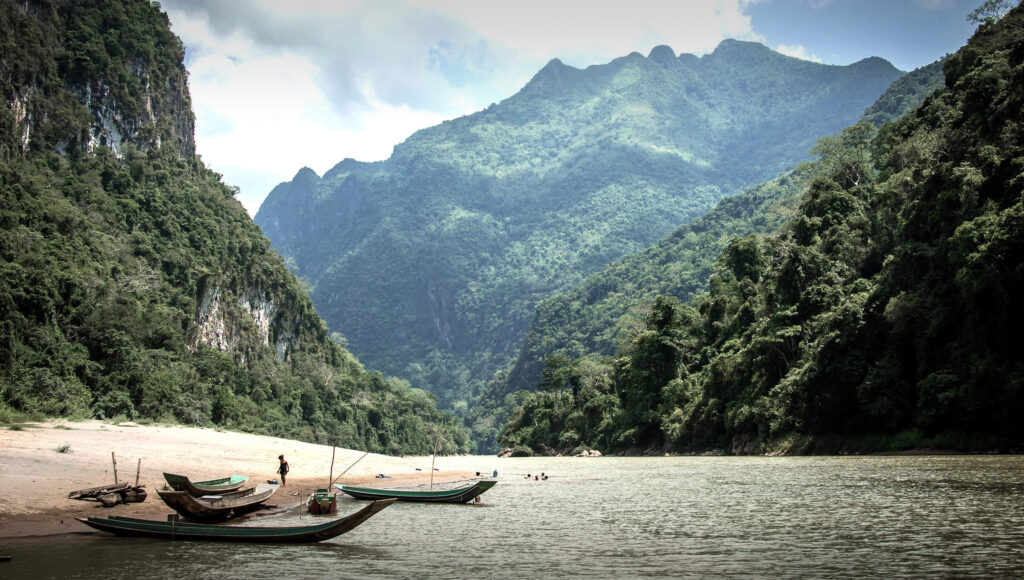
Laos is a country with exceptional natural capital and strong strategic potential for sustainable, long-term development in Southeast Asia.
Its geography is defined by extensive river systems, mountainous terrain, forest ecosystems, and high environmental integrity. These natural assets position Laos as a strong candidate for eco-tourism, nature-based development, and low-impact investment models focused on long-term value preservation.
From a development perspective, the key opportunity in Laos lies in balancing natural resource protection with structured infrastructure expansion. Improved transport connectivity, road networks, and regional access corridors are essential to unlocking full economic and tourism potential.
Sustainable tourism development, combined with carefully planned infrastructure and regulated spatial development, can significantly enhance both national competitiveness and local economic participation.
The strategic direction for Laos should therefore focus on “high-value, low-impact” development models that preserve environmental integrity while enabling long-term investment growth and regional integration.
🌿 NATURAL CAPITAL
Laos possesses exceptional natural capital, characterized by a diverse and largely preserved ecosystem. The country is defined by extensive river networks, including the Mekong River system, dense forest coverage, and mountainous landscapes that support rich biodiversity.
These natural assets form the foundation for sustainable development opportunities, particularly in eco-tourism, conservation-based projects, and nature-integrated investment models. The high level of environmental integrity positions Laos as a strategic destination for low-impact, long-term development approaches.
Natural resources such as rivers, waterfalls, fertile valleys, and forest ecosystems represent both ecological value and economic potential when managed within a structured and sustainable framework.
DEVELOPMENT OPPORTUNITIES
The primary development opportunity in Laos lies in strengthening the balance between natural preservation and structured infrastructure expansion.
Improving transport connectivity, including road networks and regional access corridors, is essential for unlocking economic potential and supporting long-term tourism growth. Many areas remain underconnected, limiting both investment flow and local economic integration.
Sustainable infrastructure development presents a significant opportunity to enhance accessibility while maintaining environmental integrity. This includes the development of regulated tourism zones, eco-friendly transport systems, and improved rural-urban connectivity.
In addition, there is strong potential for integrated development models that combine tourism, agriculture, and local production systems, creating diversified and resilient regional economies.
STRATEGIC SECTORS
Laos presents strong potential across several strategic development sectors that can support long-term economic growth and regional integration.
Key sectors include sustainable tourism development, eco-tourism initiatives, and nature-based hospitality projects that leverage the country’s natural environment while maintaining ecological balance.
Infrastructure and transport development remain critical, particularly in improving connectivity between urban centers, rural regions, and cross-border corridors. These improvements are essential for enabling investment flow and economic diversification.
There is also growing opportunity in regulated development zones, combining land use planning, tourism infrastructure, and environmental management to support structured and sustainable growth.
SUSTAINABILITY FRAMEWORK
Sustainable development in Laos must be guided by a “high-value, low-impact” framework that prioritizes long-term environmental protection alongside structured economic growth.
This approach emphasizes controlled spatial development, responsible land use, and the preservation of natural ecosystems as core national assets. Environmental integrity is not only a conservation priority but also a foundation for long-term economic competitiveness.
Key principles include minimizing environmental disruption, ensuring balanced regional development, and integrating sustainability standards into infrastructure and tourism planning.
By aligning investment activity with environmental and social safeguards, Laos can strengthen its position as a sustainable destination for international development and long-term capital engagement.
RURAL ECONOMY & AGRICULTURAL PRODUCTION
Agriculture and rural production play a fundamental role in Laos’ regional economy and livelihood structure, particularly in rural and semi-rural areas.
The country has strong potential in sustainable agricultural development, including rice cultivation, organic farming, and small-scale agro-based production systems. These sectors provide an important foundation for local economic stability and food security.
There is also increasing opportunity to integrate agricultural production with tourism and local supply chains, creating value-added regional economies that combine production, distribution, and sustainable land use.
Improving rural infrastructure, logistics access, and market connectivity is essential for increasing productivity and supporting long-term modernization of the agricultural sector.
Laos represents a high-potential destination for sustainable development, combining strong natural capital with growing opportunities in infrastructure, tourism, and rural economic development.The long-term success of development in Laos will depend on maintaining a balanced approach between environmental protection, infrastructure expansion, and structured investment frameworks.
Pilot Initiative: Pakse Coffee Visibility Program
We would like to present a pilot initiative aimed at improving the international visibility and market access of local coffee producers in the Pakse region.
The initiative focuses on identifying local farmers, creating structured profiles for international positioning, and facilitating direct connections with European buyers.
The main objective is to reduce dependency on intermediaries and increase value retention for local producers through improved market connectivity.
This pilot model serves as a test framework to evaluate the effectiveness of structured international positioning within the agricultural sector in Laos.
Implementation Approach
The pilot will be implemented on a small scale, starting with a selected group of local coffee producers in the Pakse region.
Initial activities will include field identification, basic data structuring, and the development of simple international visibility profiles for each participant.
This will be followed by targeted outreach toward potential European buyers and partners, with the aim of establishing initial direct communication channels.
Expected Outcomes
The pilot is expected to generate improved international visibility for participating producers, facilitate initial direct market connections, and provide practical insights into scalable models for agricultural positioning.
It will also serve as a reference framework for potential expansion into additional regions and sectors within Laos.
Collaboration Opportunities
This initiative is open for dialogue and potential collaboration with institutional partners, regional authorities, investors, and organizations engaged in the sustainable development of Laos.
The framework is designed to support knowledge exchange, alignment of strategic priorities, and the development of joint pilot projects across key sectors such as sustainable tourism, agriculture, and infrastructure development.
Interested stakeholders are welcome to connect with us for further discussion, potential cooperation, or the development of specific initiatives aligned with national development objectives.
Contact for Strategic Cooperation For further information or to explore potential collaboration opportunities, please contact us through the website contact form.